
The Robots Are Here: Meet Dusty
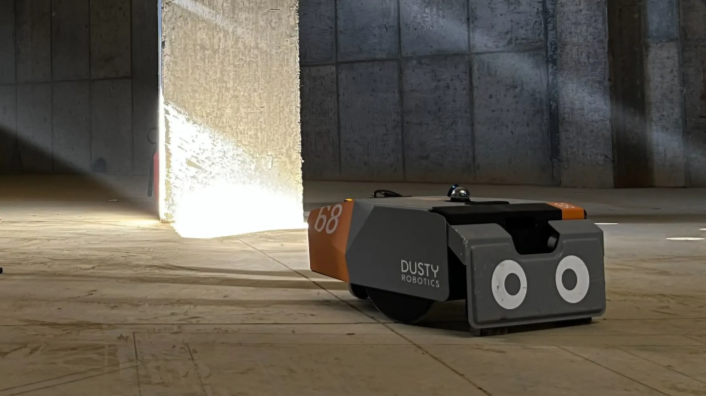
An autonomous mobile robot designed specifically for construction layout, it represents a significant shift toward the digitized jobsite.
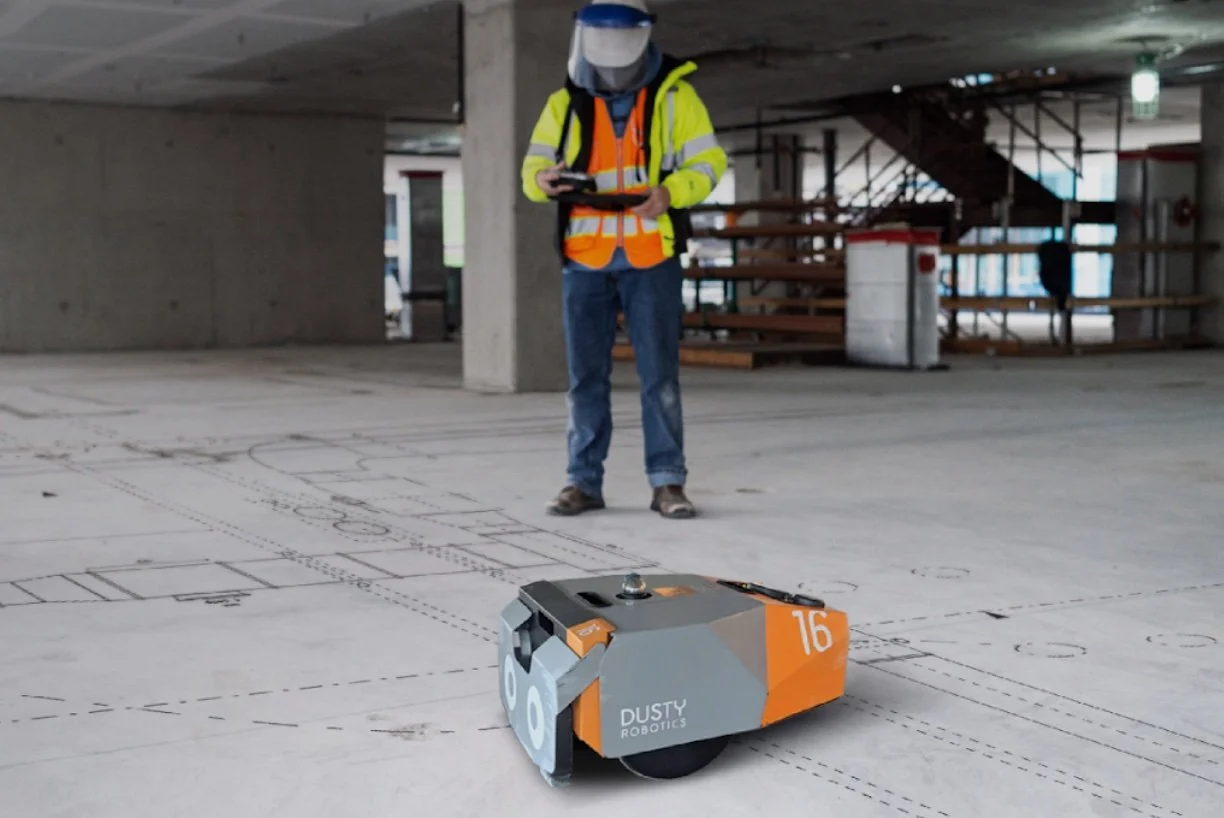
The Future Jobsite: Auto Layout with Dusty Robotics
In the traditional construction workflow, the transition from a high-fidelity Building Information Model (BIM) to the physical jobsite floor has long been a manual, error-prone bottleneck. Despite sophisticated 3D modeling in the office, field crews often still rely on tape measures, chalk lines, and paper blueprints to mark the locations of walls, pipes, and conduits.
Dusty Robotics has addressed the gap with its flagship technology: the FieldPrinter.
Bridging the Digital-Physical Gap
The Dusty FieldPrinter is the hardware component of the FieldPrint Platform, a suite that includes plugins for AutoCAD and Revit, a cloud-based portal for coordination, and a field-focused iPad app. Unlike traditional methods where each trade (drywall, mechanical, electrical, plumbing) performs its own layout sequentially, the FieldPrinter prints a multi-trade layout in a single pass. By using the coordinated model as the "single source of truth," the robot ensures that every trade is building off the same information, significantly reducing the risk of spatial conflicts during installation.
Key Technical Capabilities. The robot is engineered to operate in the rugged, unpredictable environments of active construction sites. Its core features include:
High-Precision Printing: Achieves an accuracy of 1/16 of an inch, ensuring that field execution matches the digital design exactly.
Comprehensive Data Rendering: Beyond simple lines, it prints text labels, wall types, door swings, and even QR codes that link field workers directly to the latest digital submittals.
Autonomous Navigation: Equipped with LiDAR and advanced sensors for obstacle avoidance, the robot can navigate around columns, debris, and other tradespeople.
Total Station Integration: It pairs with standard robotic total stations to maintain its global positioning on the floor slab.
Operational Efficiency and Impact. The adoption of automated layout technology is driven by three primary metrics: speed, accuracy, and labor safety.
1. Speed - In a notable case study with Skanska, the use of the FieldPrinter for a multi-trade layout resulted in a 50% faster layout process and contributed to a 3-month overall schedule compression.
2. Accuracy - Dusty Robotics users have documented up to a 75% reduction in rework, as the robot eliminates the manual measurement errors that typically lead to "clashes" in the field.
3. Labor Safety - The FieldPrinter allows a single operator to manage the process from an iPad, standing upright, which significantly improves the ergonomic profile of the job.
As construction faces a persistent labor shortage and increasing project complexity, tools like the Dusty FieldPrinter are no longer just innovations, they are becoming operational necessities. By turning the construction floor into a printed map of the digital model, Dusty Robotics is helping the industry move toward a "manufacturing-style" assembly process, where the focus shifts from figuring out where to build to building with confidence.
For Virtual Design and Construction (VDC) managers, the robot provides the ultimate validation that their models are being utilized to their full potential, ensuring that the precision of the office is finally realized in the field.
Keep reading
How to do a construction takeoff on iPad
Built Tough: Rugged Robotics and the Rise of Jobsite-Ready Robots
Surveying the Future: CIV Robotics is Making its Mark