Modular Construction Shines In Winter
ModCon Proves Itself during Winter
Anyone who has worked a northern job site in February knows the routine. Frozen ground. Short daylight hours. Equipment that takes longer to warm up than the crew. Schedules stretch. Tempers shorten.
This winter, however, one multifamily housing project took a different path. Instead of fighting the season, the team shifted most of the heavy work indoors.
Factory First, Field Second
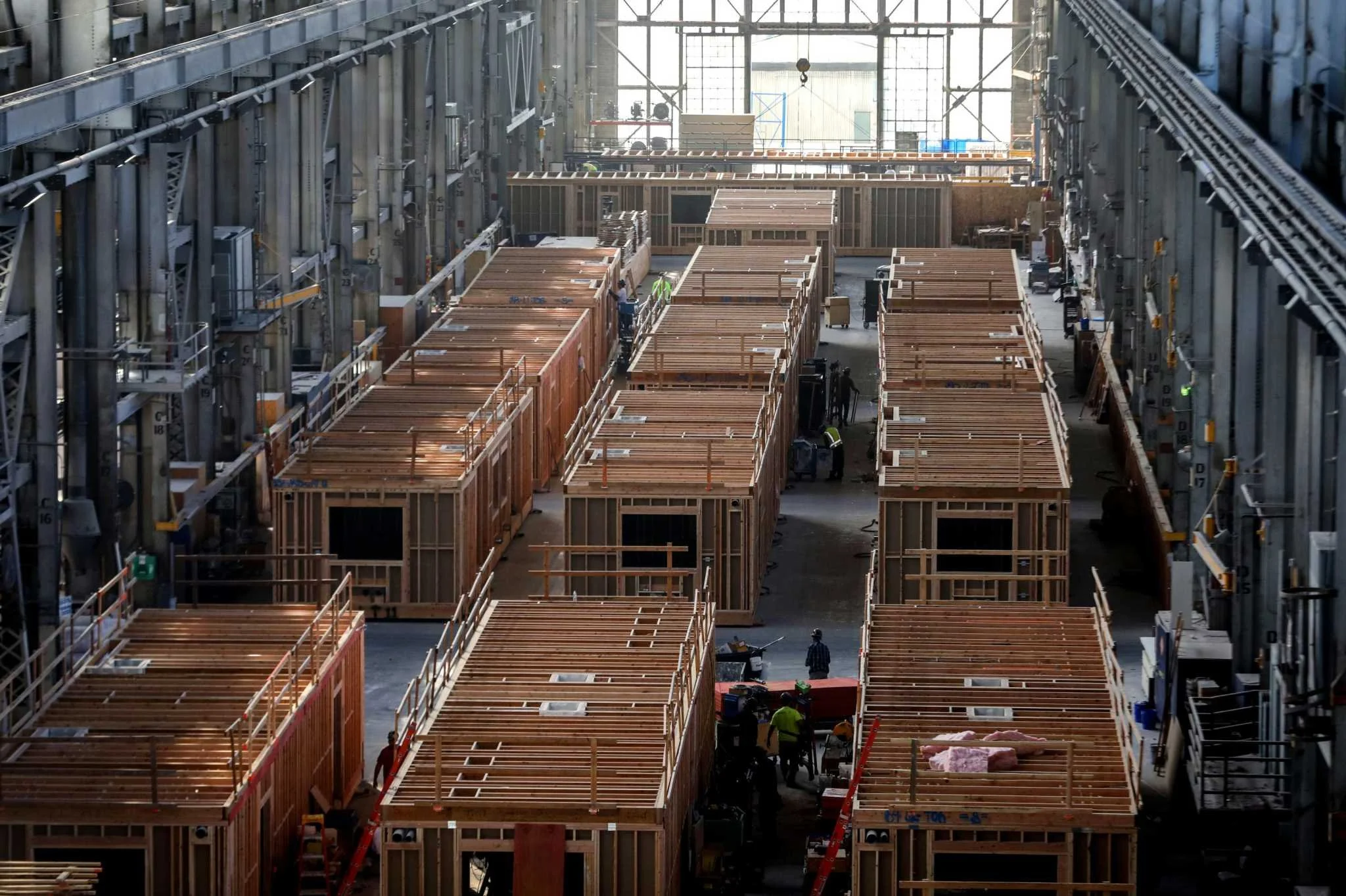
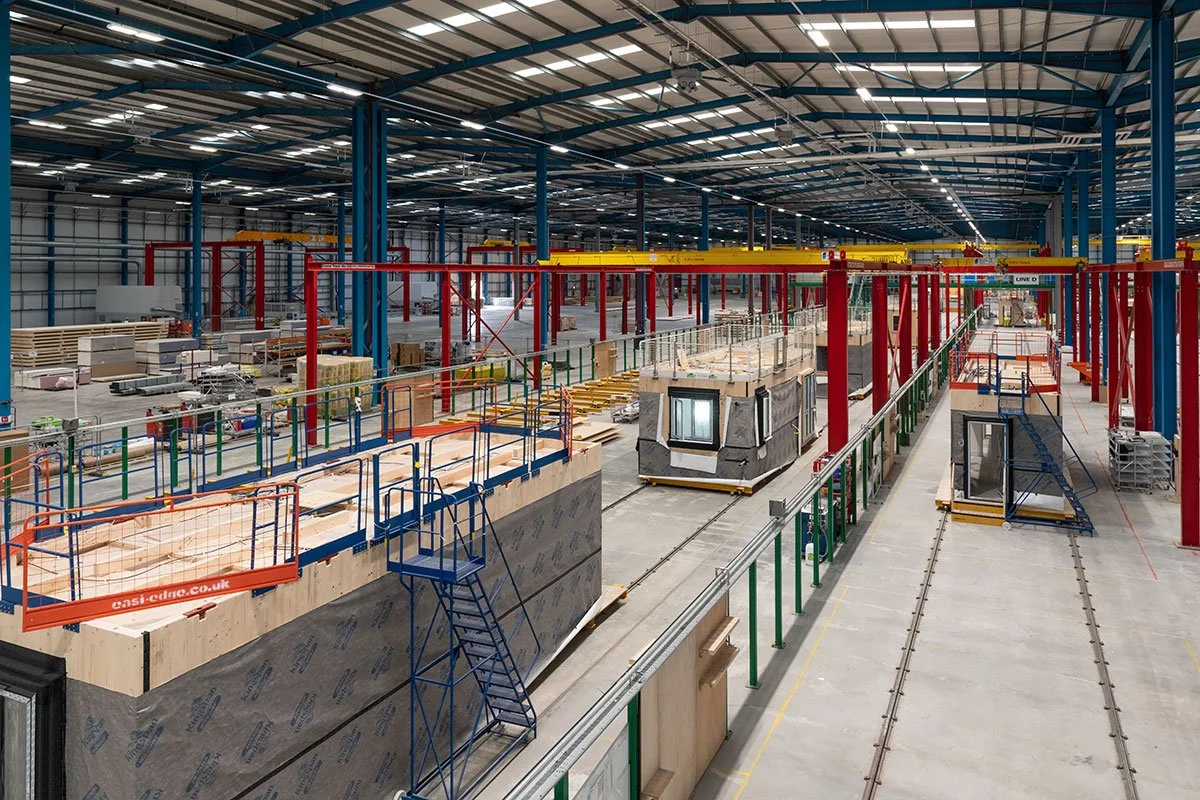
Rather than framing walls and roughing in mechanical systems onsite, the developer relied on modular fabrication. Entire apartment sections were built inside a climate-controlled facility while foundation crews handled site preparation.
By the time the modules were loaded onto trucks, they already contained insulation, electrical wiring, plumbing lines, drywall, and windows. When they arrived at the site, the work resembled assembly more than construction.
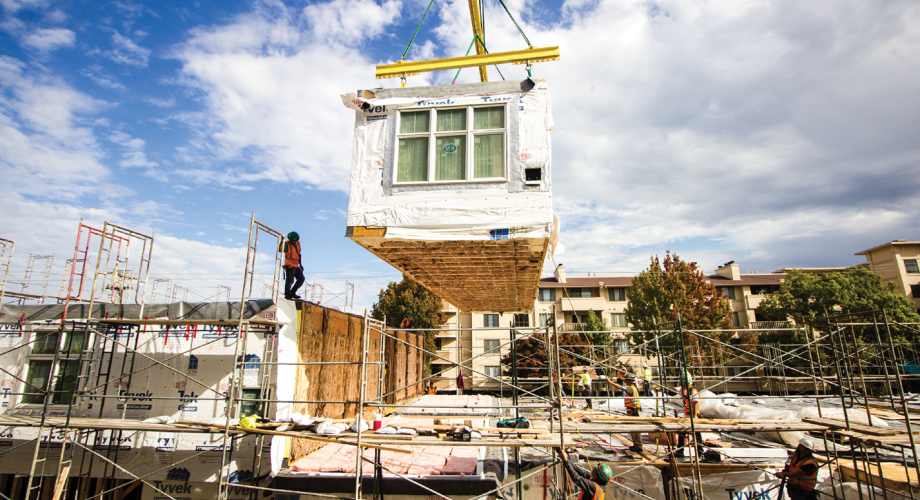
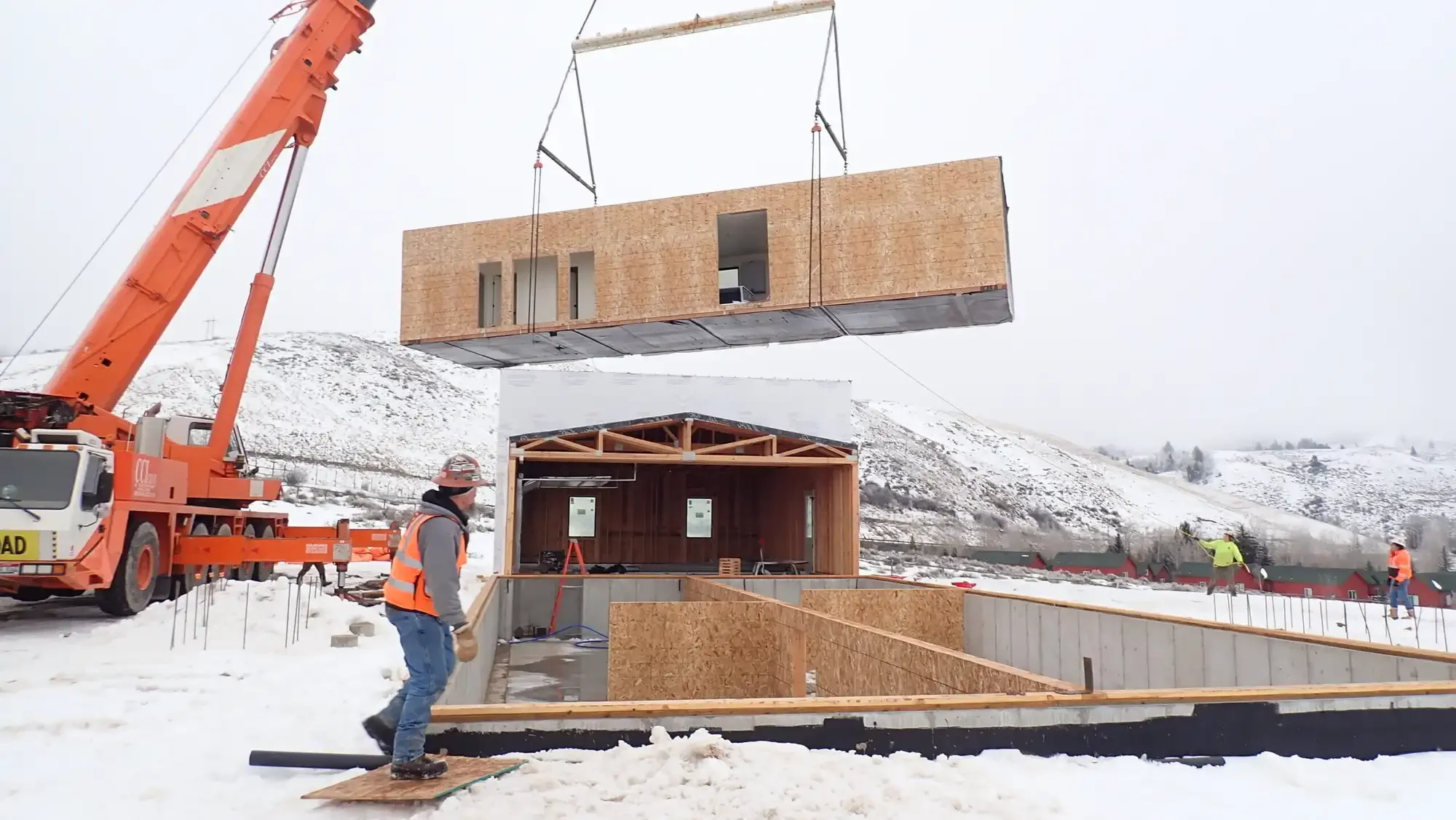
Crews used cranes to set the units during clear weather windows in early February. Because the detailed work had already been completed in the factory, field time was reduced to structural connections, sealing joints, and tying in utilities.
Less exposure to wind and freezing temperatures meant fewer weather delays.
Technology Behind the Scenes
The speed was not just about prefabrication. Digital coordination tools played a quiet but important role. BIM, Building Information Modeling allowed the team to work through sequencing before materials were ever ordered. Project management software kept the factory floor, transport logistics, and onsite supervisors aligned. When forecasts shifted, schedules were adjusted quickly instead of days later.
This kind of real-time visibility is becoming more common, especially as contractors look for ways to reduce uncertainty. Winter projects magnify every coordination problem. Digital planning helps smooth those edges.
What Changed on the Ground
Field supervisors noted that onsite labor hours dropped noticeably compared to similar winter builds using conventional methods. Waste was lower as well, largely because factory production reduces cutting and rework.
There was also a safety benefit. Fewer tasks performed in icy conditions naturally reduces exposure risk. Instead of crews spending weeks framing in freezing wind, much of that work was completed indoors under controlled conditions.
Perhaps most importantly, the schedule held steady. In regions where February often means stalled progress, steady movement alone is an achievement.
A Shift That Is Gaining Traction
Modular construction has been discussed for years, but recent advances in scheduling software and integrated workflows are making it more practical at scale. Contractors facing labor shortages and unpredictable weather are looking for systems that create more control.
Winter construction may never be easy. But projects like this suggest it does not have to grind to a halt either.
As technology continues to merge with field operations, February may start to look less like downtime and more like opportunity.