
3D Concrete Printing Moves From Demo to Job Site This February
3D Concrete Printing Moves From Demo to Job Site This February
February is not usually the month when contractors experiment with new building methods. Cold weather tends to push teams toward caution. This year, though, several crews leaned into technology instead of backing away from it.
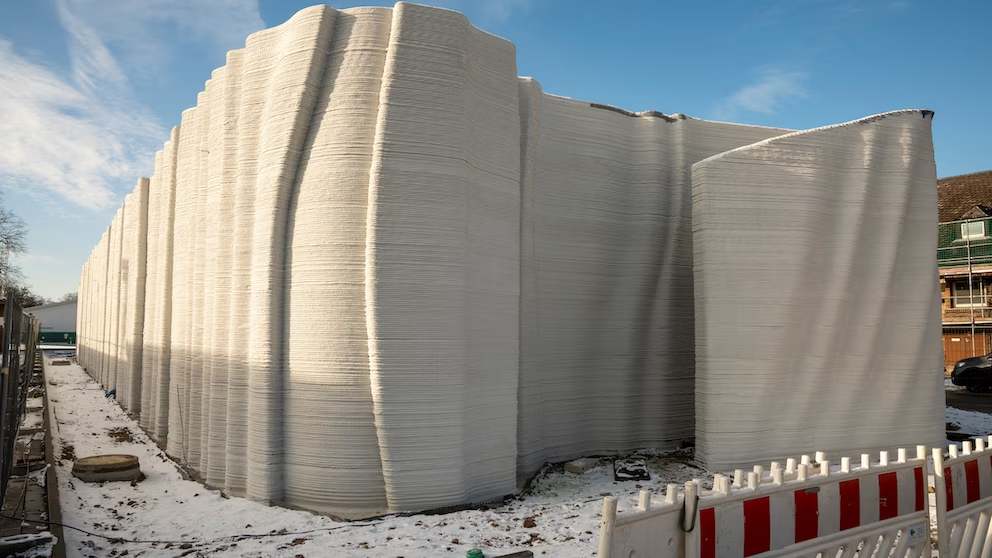
On a small municipal building project completed in February, a contractor used large-scale 3D concrete printing to form structural walls directly onsite. What began as a demonstration technology a few years ago is starting to look more practical, especially for low-rise structures and utility buildings.
Printing Instead of Pouring
Traditional concrete work in winter brings familiar complications. Heated enclosures, curing blankets, admixtures, and constant temperature monitoring all add cost and coordination.
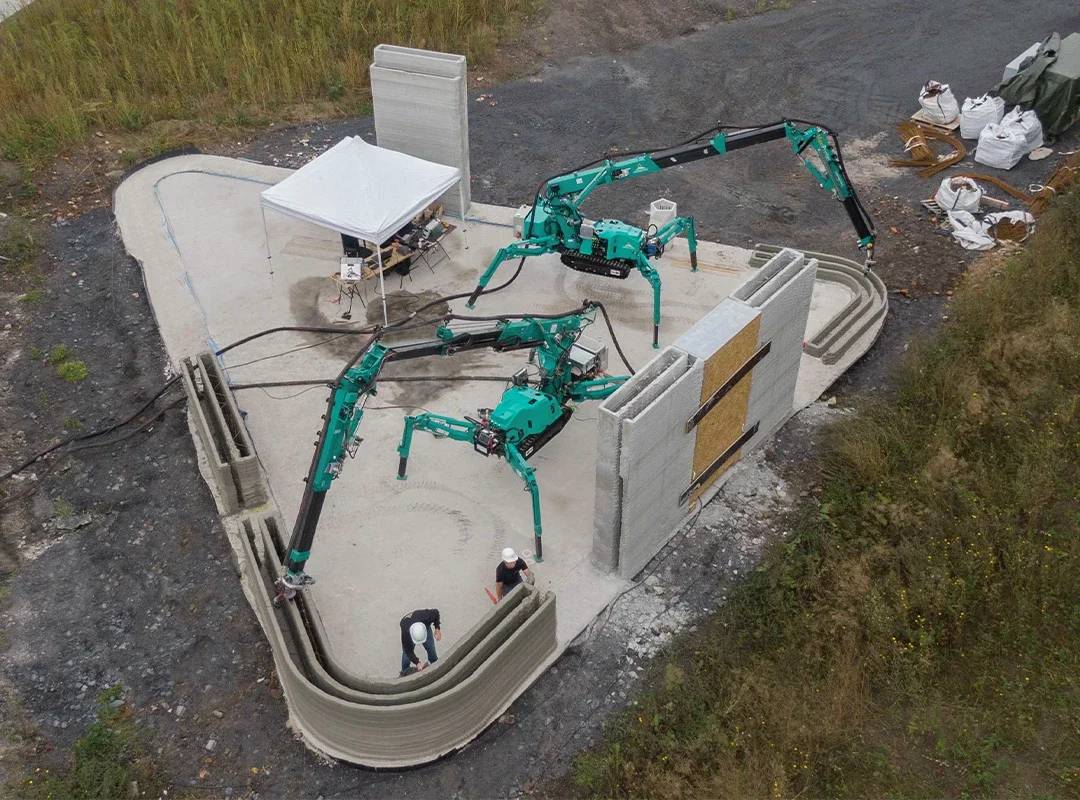
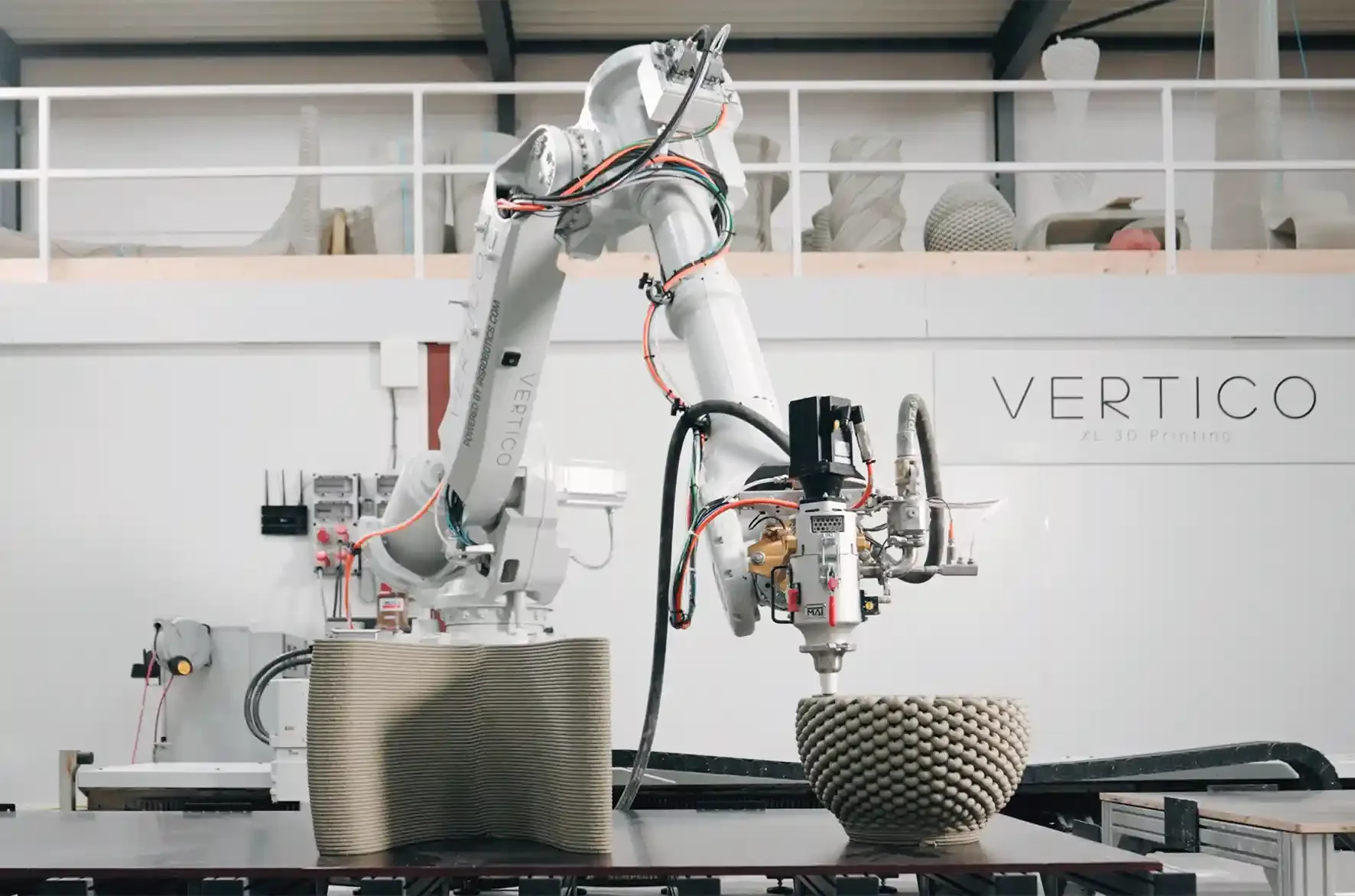
With 3D concrete printing, the process shifts. A gantry-style printer or robotic arm extrudes a controlled concrete mix in layered passes, following a digital model. Because the material is placed precisely where it is needed, there is less formwork, less manual handling, and fewer crew members exposed to freezing temperatures.
For this February project, the wall system was printed in sections over several days during stable weather windows. Crews monitored material temperature closely, adjusting the mix to maintain workability without compromising strength.
The result was a structural shell completed faster than a comparable cast-in-place approach.
Digital Model to Physical Structure
What makes 3D printing different is not just the machinery. It is the workflow.
Engineers developed the wall geometry in a parametric modeling environment. Structural openings, conduit pathways, and reinforcement placements were integrated before printing began. Instead of building formwork and then adapting onsite, the design drove the build sequence directly.
When field adjustments were required, updates were made in the model first. The printer path was recalculated, and work resumed with minimal delay.
This tight loop between design and execution is where many contractors see long-term value.
Labor and Material Impacts
The February build highlighted several operational changes.
Formwork labor was dramatically reduced. Waste was lower because material was deposited only where required. The crew size on active printing days was smaller than on a conventional concrete pour.
That does not mean the method eliminates skilled labor. It shifts it. Operators must understand both construction practice and digital controls. Mix design becomes even more critical. Inspection processes evolve as well.
Still, in a month when productivity often slows, maintaining steady output stood out.
Not a Replacement, but a Tool
3D concrete printing is unlikely to replace conventional concrete construction across the board. Large structural elements and high-rise work still favor established systems.
But for small public buildings, utility enclosures, site offices, and certain housing applications, the method is moving beyond novelty.
Winter construction has a way of exposing inefficiencies. In February conditions, any approach that reduces setup time and repetitive labor has an advantage.
As contractors continue testing additive construction in real job environments rather than trade show demonstrations, the conversation is shifting. The question is no longer whether it works. It is where it works best.